

ब्लॉगलोविन के साथ मेरा ब्लॉग देखें
सामग्री की तालिका
* शराब की लत के बारे में सब कुछ
शराब के बारे में सब
लत
यह महत्वपूर्ण नहीं है कि शराब एक वास्तविक बीमारी है। यह मस्तिष्क और न्यूरोकैमिस्ट्री में परिवर्तन का कारण बन सकता है, इसलिए शराब की लत वाला व्यक्ति अपने कार्यों को नियंत्रित करने में सक्षम नहीं हो सकता है।

लत कैसी भी हो, किसी को आमतौर पर शराब की लत होती है, अगर वह शराब पर बहुत अधिक निर्भर करता है और लंबे समय तक शांत नहीं रह सकता है।
कुछ हस्टैग फ़ेसबुक पर भी चलते हैं
,इंस्टाग्राम ,ट्विटर शराब के बारे में जैसे
#alcoholism #addiction #recovery #sobriety #sober #mentalhealth #alcoholicsanonymous #soberlife #aa #alcoholic #onedayatatime #addictionrecovery #steps #soberliving #recoveryispossible #drugaddiction #alcohol #alanon #sobermovement #depression #addictionawareness #wedorecover #soberaf #alcoholfree #drugs #soberissexy #cleanandsober #alateen #rehab #bhfyp
Alcohol addiction can show itself in a variety of ways. The severity of the disease, how often someone drinks, and the alcohol they consume varies from person to person. Some people drink heavily all day, while others binge drink and then stay sober for a while.
8 alcohol addiction on
the brain
Alcoholism has been recognized for many years by professional medical organizations as a primary, chronic, progressive, and sometimes fatal disease. The National Council on Alcoholism and Drug Dependence offers a detailed and complete definition of alcoholism, but probably the most simple way to describe it is a mental obsession that causes a physical compulsion to drink.
One of the difficulties in recognizing alcoholism as a disease is it just plain doesn't seem like one. It doesn't look, sound, smell and it certainly doesn't act like a disease. To make matters worse, generally, it denies it exists and resists treatment.
The brain chemistry changes associated with drinking may take a person through a wide range of moods, including euphoria, depression, mania, aggression, anger, and confusion. Too much drinking in a short period of time may even slow a person's breathing and heart rate, causing a coma.
 |
| Advertisement |
can alcohol addiction
kill you
Effects of alcohol addiction on the brain are such that. First
The brain is a delicate and intricate organ that must maintain a careful balance of chemicals, called neurotransmitters, for a person to function properly. Alcohol intoxication can disrupt this fine balance, disturbing the brain’s natural equilibrium and long-term, chronic use forces a person’s brain to adapt in an effort to compensate for the effects of alcohol.
alcohol addiction is
harmful because it causes
Drinking too much – on a single occasion or over time – can take a serious toll on your alcohol addiction is harmful because is cause alcohol addiction effects on the body
. Here’s how alcohol can affect your body.
can alcohol addiction kill you.
Effects of alcohol
addiction on the brain:
Alcohol interferes with the brain’s communication pathways, and can affect the way the brain looks and works. These disruptions can change mood and behavior, and make it harder to think clearly and move with coordination.
Effect of alcohol
addiction on the Heart:
Drinking a lot over a long time or too much on a single occasion can damage the heart, causing problems including:
• Cardiomyopathy – Stretching and drooping of heart muscle
• Arrhythmias – Irregular heart beat
• Stroke
• High blood pressure
Effect of alcohol on the Liver:
Heavy drinking takes a toll on the liver, and can lead to a variety of problems and liver inflammations including:
• Steatosis, or fatty liver
• Alcoholic hepatitis
• Fibrosis
• Cirrhosis
Pancreas:
Alcohol causes the pancreas to produce toxic substances that can eventually lead to pancreatitis, a dangerous inflammation and swelling of the blood vessels in the pancreas that prevents proper digestion.
Source: National Cancer Institute -- see https://www.cancer.gov/about-cancer/causes-prevention/risk/alcohol/alcohol-fact-sheet
 |
| Advertisement |
Based on extensive reviews of research studies, there is a strong scientific consensus of an association between alcohol drinking and several types of cancer. In its Report on Carcinogens, the National Toxicology Program of the US Department of Health and Human Services lists consumption of alcoholic beverages as a known human carcinogen. The research evidence indicates that the more alcohol a person drinks—particularly the more alcohol a person drinks regularly over time—the higher his or her risk of developing an alcohol-associated cancer. Based on data from 2009, an estimated 3.5 percent of all cancer deaths in the United States (about 19,500 deaths) were alcohol related.
Clear patterns have emerged between alcohol consumption and the development types of cancer.
alcohol addiction in
among countries
High scholar or alcohol addiction among youth can result in a panoply of negative consequences, including poor grades, risky sex, alcohol addiction, and car crashes. 1 -4 Drinkers younger than 21 years, who consume approximately 20% of all alcoholic drinks, 5 imbibe more heavily than adults.
Youth in markets with more alcohol advertisements showed increases in drinking levels into their late 20s, but drinking plateaued in the early 20s for youth in markets with fewer advertisements. Control variables included age, gender, ethnicity, high school or college enrollment, and alcohol sales.
alcohol addiction
behaviour
Alcohol consumption clearly has important effect on social behaviors, such as increasing aggression, self-disclosure, sexual adventuresomeness, and so on. Research has shown that these effects can stem from beliefs we hold about alcohol effects. Less is known about how alcohol addiction behaviour. A cognitive explanation, that alcohol impairs the information processing needed to inhibit response impulses--the abilities to foresee negative consequences of the response, to recall inhibiting standards, and so on--has begun to emerge. We hypothesize that alcohol impairment will make a social response more extreme or excessive when the response is pressured by both inhibiting and instigating cues--in our terms, when it is under inhibitory response conflict. In that case, alcohol's damage to inhibitory processing allows instigating pressures more sway over the response, increasing its extremeness. In the present meta-analysis, each published test of alcohol's effect on a social, or socially significant behavior was rated (validated against independent judges) as to whether it was under high or low inhibitory conflict. Over low-conflict tests, intoxicated subjects behaved only a tenth of a standard deviation more extremely than their sober controls, whereas over high-conflict tests they were a full standard deviation more extreme. The effect of conflict increased with alcohol dosage, was shown not to be mediated by drinking expectancies, and generalized with few exceptions across the 34 studies and 12 alcohol addiction behaviour included in this analysis.
alcohol addiction
home treatment.
alcohol addiction how to stop alcohol consumption and start alcohol addiction free treatment At home.
At-home alcohol detox and withdrawal aren't advised due to medical complications that can arise. Learn about at-home detox to understand the risks.
Alcohol Withdrawal Treatment at Home
Many people consider detoxing from alcohol at home. They may consider at-home detox because it makes the challenging situation seem easier to address. There’s usually no place more comfortable, safe-feeling and controllable than a person’s home. However, detoxing at home can have risks when people not understand the alcohol withdrawal timeline and the risks that accompany alcohol withdrawal.
Alcohol addiction treatment/
alcohol addiction medicine
A lot of medicine has come out for addiction recovery. Because people take alcohol addiction as a disease. A lot of medicine has come out for addiction recovery.
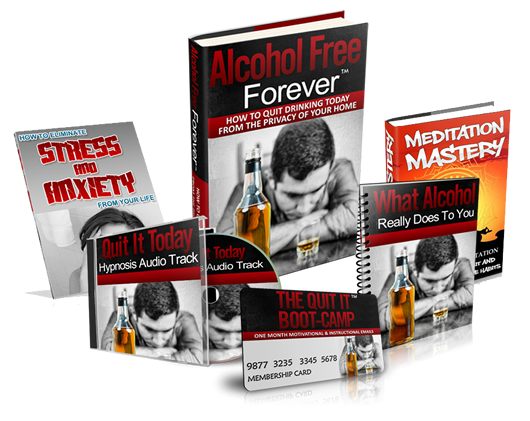
i recommend affordable products:
Note*- on your desktop site
 | ||
PRESENTING THE
 |

Story of a alcohol addict
“I was only sixteen but my liver was badly damaged and I was close to killing myself from everything I was drinking.” —
Samantha
“When I went to quit drinking, I realized that alcohol had taken to my body in such a way that I couldn’t stop. I would shake like I was going to break, I would start to sweat, I could not think until I had another drink. I could not function without it.
"मैंने अगले आठ साल डिटॉक्स और अस्पतालों में और बाहर बिताए, यह पता लगाने की कोशिश कर रहा था कि मेरे साथ क्या हुआ, यह कैसे संभव था कि मैं छोड़ नहीं सकता था। यह सबसे बुरा और सबसे लंबा दुःस्वप्न था।" - जानू
“मेरी लत लगातार बनी हुई थी और इससे पहले कि मैं इसे महसूस करता, मैं एक सुबह और साथ ही एक दोपहर पीने वाला बन गया था। मैंने शराब पीना बंद करने का फैसला किया। मैं उस रात में ज़्यादातर जागता रहा, और अगले दिन दोपहर तक मेरे शरीर की हर हड्डी में दर्द हुआ। एक अंधी घबराहट में, मैंने घबराकर जिन से भरा गिलास डाला, मेरे हाथ इतने हिंसक रूप से कांप रहे थे कि मैंने आधी बोतल गिरा दी। जैसे ही मैंने इसे निगल लिया, मैं महसूस कर सकता था कि पीड़ा धीरे-धीरे कम हो रही है। तब मुझे अंत में भयानक सच्चाई का पता चला: मैं झुका हुआ था। मैं नहीं छोड़ सका। "
—फेय
![Clickonme.in [Adult dating sites]](https://lh3.googleusercontent.com/blogger_img_proxy/AEn0k_uweEoxu6xpZjqIAyh2y6zo3w_7_TSdeQQZqaohmnMBvLgHAcf_tsXmXG5MJpByfnTLfxFACMVy0TuSeMgJoBrZjOWZMzNXzbcRfuoUBqu9QTBxkgT34D-roi1OlPeWrH53rzjnoG_6EdSqO4nnmUdAUcGfg2GUWIr3XUAVISUDywdkd8uKFnP8Yfin0JpOMzXwWUauKgo63RYbnwgeBi_JYmJ-JRdKX74jimP6SLTKjuGp6c9u=w100)


0 Comments